How Canva Added 230,000+ Francophone App Users for as Little as $0.03 Each
The Challenge:
Canva's paid testing had been mostly US-based, with a best result around $1 to $1.25 per user. It wanted to know whether French-speaking markets could do better.
What We Did:
We built 1% lookalikes from real use cases in Canva's product data, wrote every ad for one job, and tested 20,000+ ads against a kill rule with no exceptions.
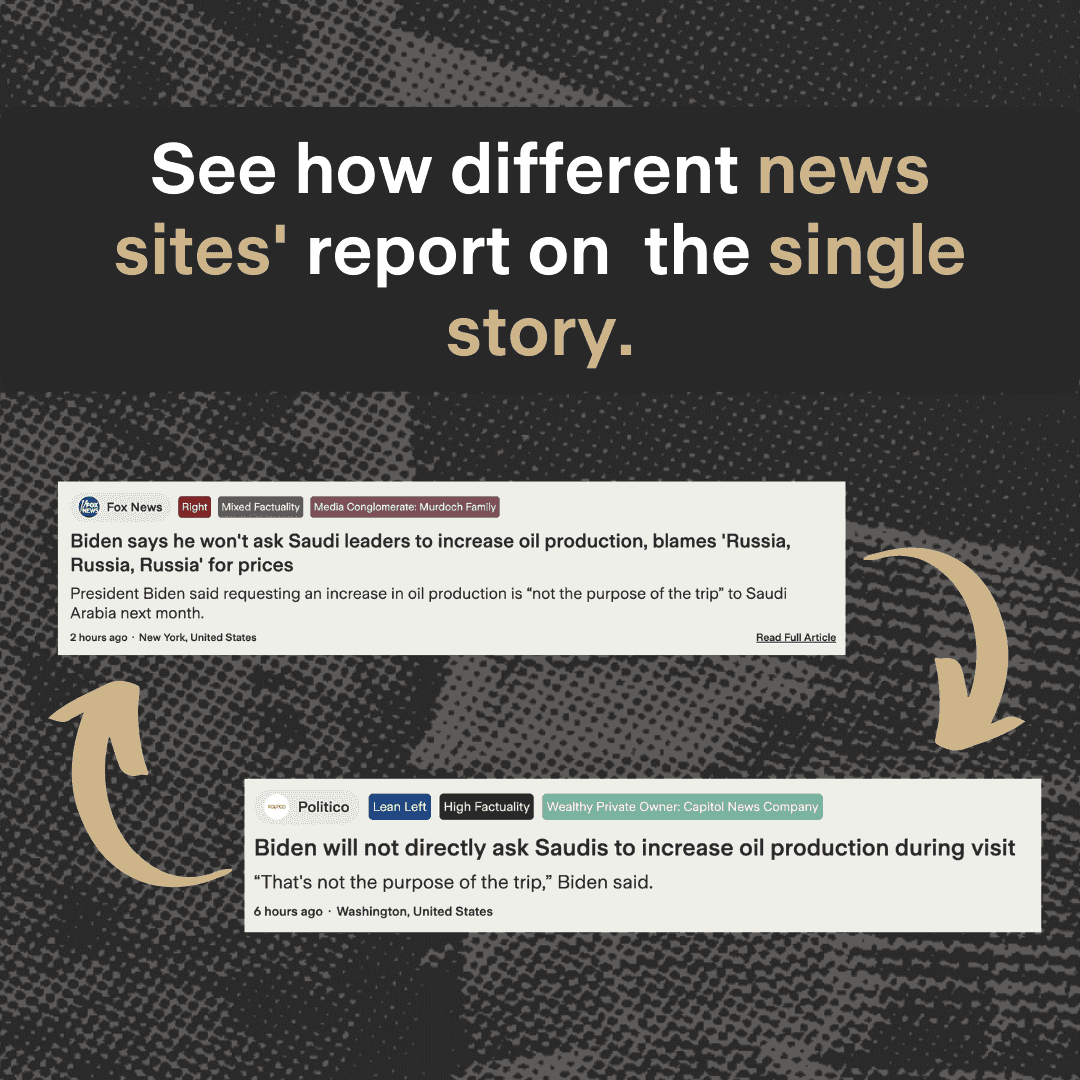
Ground News: $0.25 US Installs, a $0.75 UK Pivot and Five Years of Scaling
The Challenge:
A media bias app in a vertical where almost nobody pays for news, starting on Twitter link-click campaigns that weren't moving the bottom line.
What We Did:
We let the ad be the demo, tested one variable at a time, moved the budget to the UK when the US got expensive, and scaled Google Search, Performance Max and App campaigns.
How Purposeful Friction Cut Jenfi's Cost per Lead from $4 to $2
The Challenge:
Apple's iOS 14.5 update cut Meta's view of landing-page conversions, and lead performance for Jenfi's B2B financing product took the hit across four Southeast Asian markets.
What We Did:
We switched to Meta instant forms with five to seven custom questions, so Meta could optimize on first-party engagement, and fed every answer back into targeting and creative.
CHOQ: Seven Years of Mismeasured Ads, Rebuilt in Two Months
The Challenge:
A men's health supplement brand with five Meta accounts, two of them permanently restricted, and a Google account that had counted page scrolls as conversions for years.
What We Did:
We consolidated to one account and one pixel, pointed every channel at real purchases, rebuilt the creative inside the health-claim rules, and launched Google and Microsoft properly.
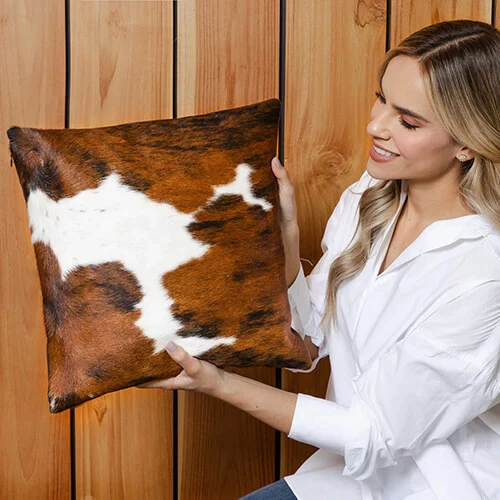
How eCowHides Went From 7x to 15x ROAS on Meta in Three Months
The Challenge:
eCowHides' Meta ads were already profitable at around 7x ROAS, but overlapping audiences had its own campaigns bidding against each other.
What We Did:
We consolidated the cannibalizing audiences, tested the creative eCowHides already owned to find the winner, and rewrote the copy around a question.
How Yizzam Found Its Buyers in 250,000 SKUs and Held a 5x ROAS for Five Years
The Challenge:
Yizzam sold 250,000+ all-over-print shirts with almost nothing in common, and nobody knew who was buying what.
What We Did:
Kevin and his mentor Michael Reiss built the SUREFIRE method here: one control ad run across competing targeting models, to find the audience before testing creative.

How Ceremony Matcha Reached a 4.4x Blended ROAS Across Meta and Google
The Challenge:
Rising ad frequency was doubling Ceremony Matcha's image-ad costs on Meta, and its Google account hadn't been touched in months.
What We Did:
We built a creative rotation system, followed the placements that converted, split Swiss and international campaigns, and rebuilt Google around Shopping.

MOOG Audio: A Steady 12.9x on Google Shopping, and the Test It Needed
The Challenge:
A Canadian music retailer whose Google Shopping could hit big ROAS numbers but not hold them, while the owner wondered whether the ads were buying sales he'd have made anyway.
What We Did:
We audited before touching anything, reorganized Shopping around the brands that sold, tested new ad groups against the old ones, and held the account at a 12.9x blended ROAS.
How UGLYCASH Made Funded Accounts 43% Cheaper Across Latin America
The Challenge:
A young dollar-account fintech needed funded customers, not installs, across seven Latin American markets, on a startup budget.
What We Did:
We graded markets with small tests, optimized as deep in the funnel as volume allowed, switched to statics, and refused to gamble the ad account when Google restricted it.
UGLYCASH on TikTok: The Best Install Ad Was the Worst at Funded Accounts
The Challenge:
TikTok was delivering cheap installs and 2%+ click-through rates for a dollar-account app, and almost none of those users were funding their accounts.
What We Did:
We consolidated the campaigns so they could get out of the learning phase, cut the weakest markets, then used AI-assisted analysis of every script to find which messages produced funded customers.
Food is Good: Winning One Diet at a Time, With Free Trials From $18.62
The Challenge:
A food-scanner app had spent most of its Meta budget chasing trial starts and page views, while its best results came from the few audiences built around a specific diet.
What We Did:
We used the app's own data to pick the diet that converted best, built quiz funnels and creator ads around it, then scaled horizontally into the next diet.
4ever Mints: 4.5x ROAS From a Product Shot on White
The Challenge:
A slow-dissolve breath mint nobody had heard of, priced well above anything at the checkout counter, with buyers saying so in the comments.
What We Did:
We narrowed the audience first, wrote copy around the price objection and the way people actually read ads, and let a plain product shot beat an expensive agency shoot.
trade2sync Audit: 535 Ads, 26 Websites on One Pixel and a $1,210 Cost per Sale
The Challenge:
A trade-copier app with 400+ Trustpilot reviews and a website that converts, while three years of Meta ads had never paid for themselves.
What We Did:
A one-time audit that traced the losses to three structural causes: fragmentation, no agreed conversion, and a pixel learning from developers' test sessions.
Altium: Trial Leads Across Nine Markets and Three Languages
The Challenge:
A PCB design software company wanted free-trial leads from electrical engineers, first in the US, then across Europe and beyond, in English, French and Spanish.
What We Did:
We tested six audiences, two formats and two styles of copy in every market, localized ads for French and Spanish speakers, and moved the budget to whatever produced leads cheapest.
How PASCO Built a Lead Engine for Science Teachers, and a Google Ads Win for Its Store
The Challenge:
PASCO's buyers are science teachers who purchase through POs and approvals, and its traffic campaigns weren't capturing them.
What We Did:
We moved PASCO to lead generation timed to the school year, and ran Performance Max and Search for its online store, where every sale could be tracked.
How Starbucks' CloudBar Pop-Ups Drove Engagement at $0.01 Each
The Challenge:
Starbucks wanted to know if Facebook and Instagram ads could bring people to its CloudBar pop-ups in two test markets, where no click or purchase could be tracked.
What We Did:
We tested geo-targeting models to keep costs sane in mid-sized cities, optimized for engagement, and ran in flights so Starbucks could measure lift on its side.

Mei L'ange: 4.7x ROAS From Mockup Creative, and a Target Set by Margins
The Challenge:
A premium swimwear brand sold in US department stores wanted more sales on its own website, and swimwear usually needs a photo shoot for every new ad.
What We Did:
We found the audience first, then built ads from product mockups so every image could change one thing at a time, and scaled to a high five-figure monthly budget at 4.7x.
Slickplan: Free Trials on Meta, and Reddit as the Surprise Channel
The Challenge:
A website planning tool needed free trials from web designers and agencies: a small, skeptical audience that sees ads all day, often its own.
What We Did:
We settled the targeting first, then designed every ad and wrote every line using a question opener and Problem-Agitate-Solution. Reddit became the client's surprise channel.
How CreativiU Went Static in a Feed Full of Video and Hit Its Best-Ever ROAS
The Challenge:
CreativiU's craft-course ads had always been produced video, and the results were spotty.
What We Did:
A competitor analysis across three kinds of rivals found 95% of their ads were video. So we zagged: static ads, with ad sets split by jobs to be done.

Why We Told SmarterSelect to Stop Spending on Google Ads
The Challenge:
SmarterSelect's Google Ads were set up to win visibility, not customers, and nobody was measuring channels by closed deals.
What We Did:
We rebuilt the account around demo requests, narrowed the customer profile and judged every channel by deals in HubSpot. Then the data made the call.
Why We Paused Vivee Home's Meta Ads, and What We Fixed First
The Challenge:
Vivee Home's ads were running, but Meta couldn't see purchases, and Shopify and GA4 disagreed on how many orders there even were.
What We Did:
We paused Meta until tracking worked, went hunting for the leak, cut a Google test that didn't convert, and started SEO where the store already ranked.