Six Years of Paid Media for Science Teachers: Lead Generation and Google Ads for PASCO Scientific
By Kevin Veitia
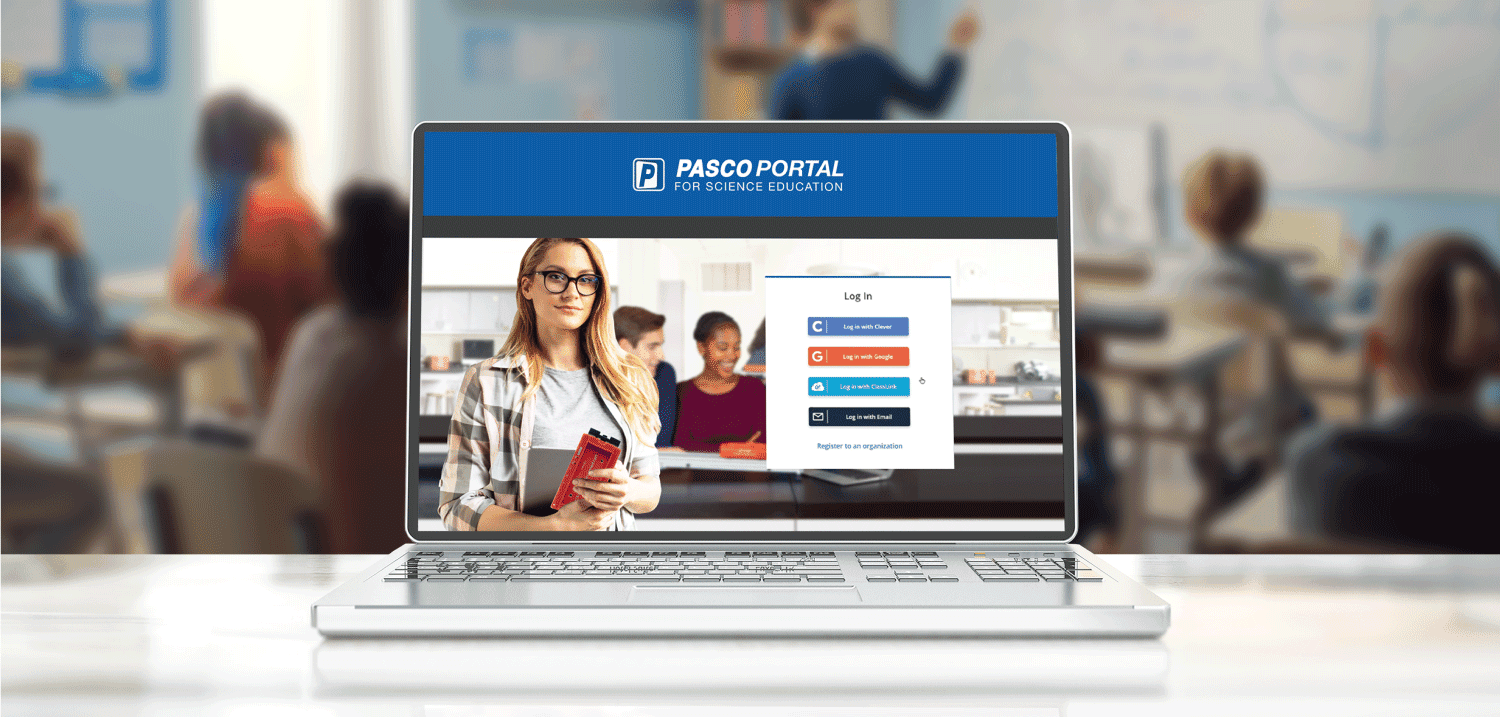
- Client
- PASCO Scientific, science education equipment and software
- Model
- Business to education (B2E)
- Audience
- K-12 and higher-education science teachers
- Channels
- Meta Ads (lead, traffic, catalog), Google Ads (Search, Performance Max)
- Timeframe
- 2019 to 2025
The challenge
PASCO Scientific makes lab equipment and software for science classrooms. Its buyers are teachers and departments, and they buy through purchase orders and approvals, not a shopping cart. That makes PASCO a business-to-education company, and it makes "buy now" ads the wrong tool for most of its revenue.
When we started working with PASCO around 2019, it was running traffic campaigns. They brought visitors, but they couldn't reliably identify or capture the educators who actually drive purchases. Traffic doesn't sign a purchase order. A teacher who raises their hand might.
What we did
Switched from traffic to lead generation
We built Meta lead campaigns with native lead forms, so a teacher could raise their hand without leaving the app, and connected those leads to PASCO's sales process.
Timed every offer to the curriculum
Teachers think in units, so the offers followed the school year. Physics lab stations in January and February. Chemistry temperature sensors in March and April. Eclipse giveaways, with weather and light sensors, ahead of the October 2023 solar eclipse.
Each giveaway ran for about six weeks. That was the point where cost per lead reliably started to climb, so instead of squeezing a tired offer, we rotated to the next unit.
Tested the lead magnet, not just the ad
The offer moved the economics more than any ad tweak. Leads from the UV-VIS spectrophotometer campaign cost 20 to 33% less than leads from the Ampere's Law campaign. Same audience, same platform, different thing to win.
Cheaper isn't automatically better, though. When cost per lead rose month over month, we pushed to get lead qualification rates from the sales team, so we could see how many marketing-qualified leads each campaign really produced. We also proposed testing guaranteed deliverables, like a guide, a catalog or a recorded experiment demo, against raffles, plus an email drip to warm leads up before they reached sales.
Kept what worked, killed what didn't
Products had to earn their budget. Underperformers got cut, and proven ones like the Smart Cart and the UV-VIS spectrophotometer kept running. New lines, like greenhouse sensing kits for middle and high school STEM, got their own tests.
Managed fatigue on a schedule
When lead-campaign frequency crept above 2, we moved to a fixed refresh cadence: a new creative variant roughly every 15 days, up to six live at once. That kept campaigns fresh without resetting everything the algorithm had learned.
Bundled products by persona
For traffic campaigns, carousels grouping up to ten products for one teacher persona, like high school physics or chemistry, beat both video and single-image ads. A physics teacher scrolling a carousel of physics gear sees their own classroom. A generic product video doesn't do that.
Stopped paying for searches PASCO already owned
On Google, branded searches like "PASCO Capstone" were being picked up by regular campaigns. If someone is already searching for PASCO by name and PASCO ranks first organically, paying for that click is often wasted money, so we pushed to cut branded spend. Later, we recommended running Performance Max as an exploratory campaign to find which search terms produced leads, then building dedicated search campaigns around the winners.
Built a Google Ads win for the online store
Most of PASCO's revenue arrives through purchase orders, but it also sells directly through its online store, and there every sale could be tracked to the dollar. Running Performance Max alongside Google Search for the store, we reached about 16x ROAS. When the result is measured in revenue you can see, there's nothing to argue about.
Adapted when lookalikes stopped working
In 2024, PASCO prepared to launch the PASCO Portal and its own version of the OpenSciEd curriculum. By then, lookalike audiences had lost much of their power. Across the 30 to 40 accounts we'd audited over the previous year, their effectiveness dropped sharply from around January 2024. So the launch plan leaned on broad, creative-led targeting, which only works when creative earns about a 2% click-through rate. To get there faster, we set PASCO's copywriters up to draft with AI first and refine, instead of waiting days on approvals.
The part we couldn't prove
PASCO also promoted in-person teacher events, like the NSTA conferences, where the goal was getting teachers through the door. It's the same problem as Starbucks' pop-ups: success happens offline, so you need a way to connect the ad to the visit. For events, PASCO chose link-click campaigns, and there was no system on its side to confirm who attended. We recommended a different approach more than once. The decision was theirs.
The honest result is that nobody can say whether those campaigns brought a single teacher to a booth. A click proves that someone, or something, tapped an ad. It doesn't prove anyone showed up. That experience is part of why we won't run link-click campaigns today.
Results
- About 16x ROAS on Performance Max and Search for the online store
- Leads 20 to 33% cheaper from the right lead magnet
- A curriculum calendar of offers, rotated about every six weeks
Heading into 2023, PASCO's team reported that cost per click and lead quality were both very good. This work generated $60,000 in 30 days. The relationship ran from 2019 to 2025, which says more than any single metric.
"Kevin at OuiGrowth has always been professional and forward-thinking. OuiGrowth is a valued resource that provides the strategy and execution necessary to grow."
Chris Sloan, PASCO Scientific
What you can take from this
- Sync offers to your customer's calendar. For teachers, that's the curriculum.
- Your lead magnet is a lever. Changing the offer moved cost per lead by up to a third.
- Measure qualification, not just cost per lead. Cheap leads sales can't use aren't cheap.
- Put money where results can be proven. The online store was trackable, and that's where Google shone.
- If you can't count who showed up, a click proves nothing.
Want a second set of eyes on your account? Book a free 30-minute consultation and we'll walk through what's working, what isn't, and where the next win is. Curious what it costs first? Our pricing is public.
Book a Free Consultation